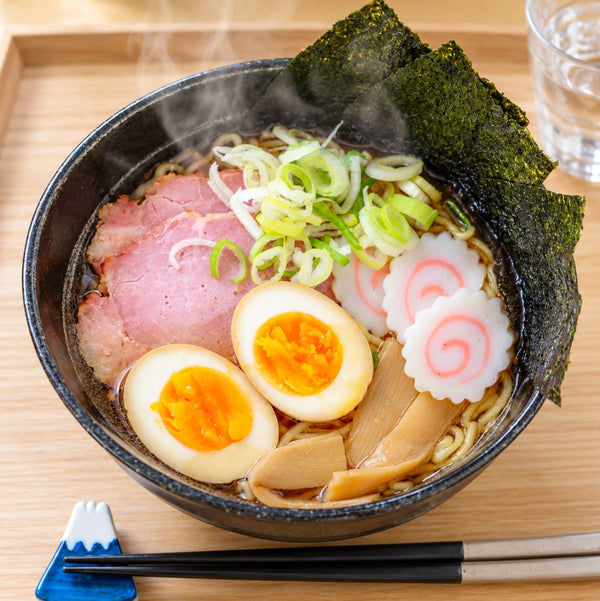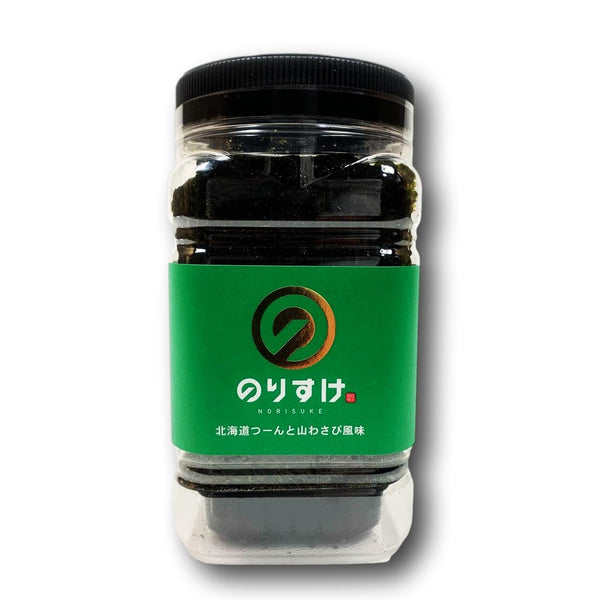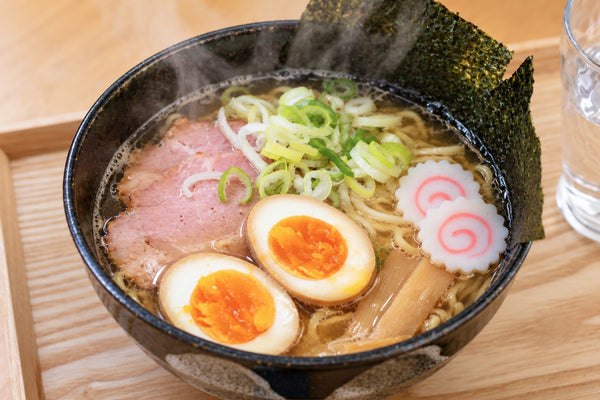
Naruto Ramen is a comforting, anime-inspired bowl of ramen based on the beloved dish enjoyed by Naruto Uzumaki at Ichiraku Ramen. This homemade version combines springy ramen noodles with a savory, aromatic broth, tender chashu pork, creamy soft-boiled eggs, menma, green onions, nori, and the iconic pink-and-white swirl of narutomaki.
Fun Fact: Did you know that narutomaki gets its name from the famous Naruto whirlpools in Tokushima, Japan? Its distinctive pink spiral is said to resemble the swirling currents of the whirlpools!
Why You'll Love this Recipe
You can enjoy a satisfying Ichiraku-inspired ramen bowl at home without spending hours making traditional broth. A quick combination of chicken stock, soy sauce, sesame oil, garlic, and ginger creates a flavorful base, while creamy overnight-marinated eggs add a delicious sweet-savory umami flavor. It’s an easy, comforting recipe perfect for a cozy weeknight meal or anime night.
Key Ingredients
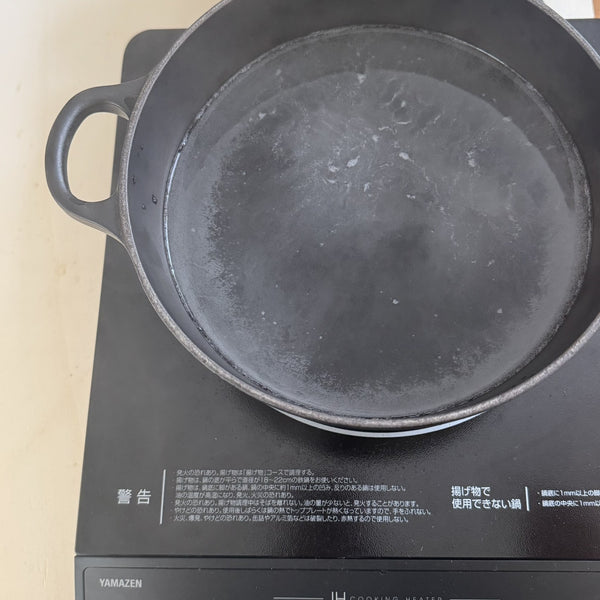
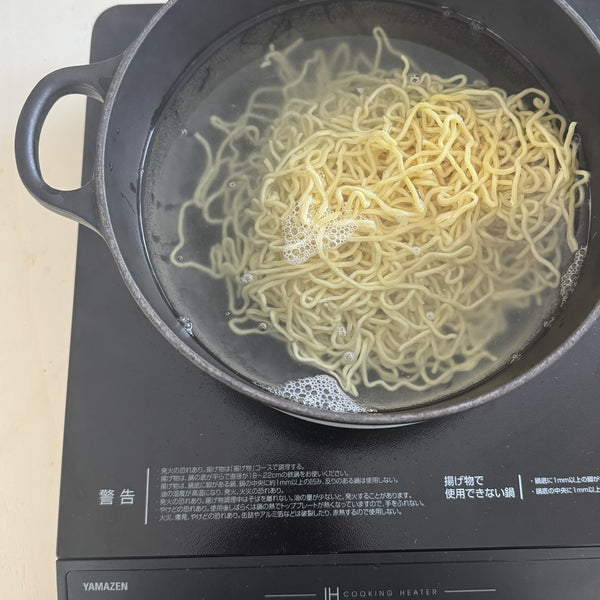
Ramen Noodles: Good-quality ramen noodles provide the springy, chewy texture that makes the finished bowl satisfying.
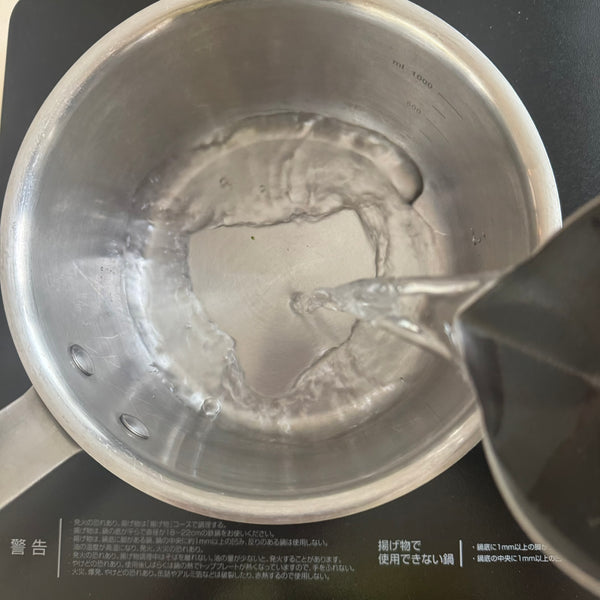
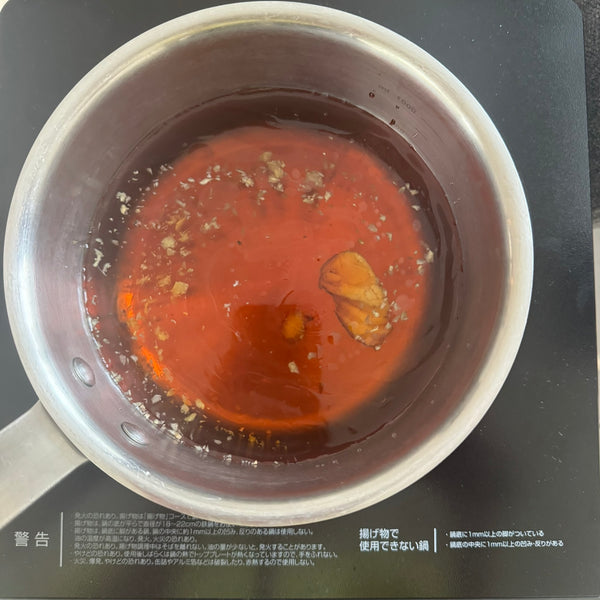
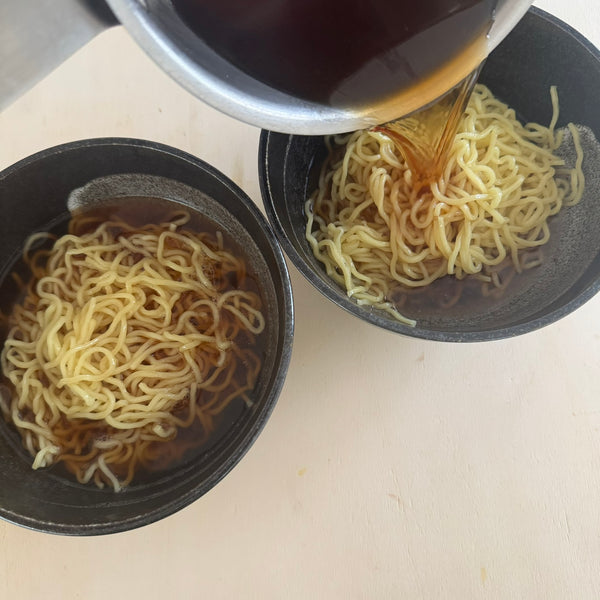
Soy Sauce, Sesame Oil, Garlic & Ginger: These ingredients form the aromatic foundation of the broth. Soy sauce supplies salt and umami, sesame oil adds a subtle nutty aroma, while garlic and fresh ginger give the soup warmth and fragrance.
Chicken Stock: Chicken stock gives the broth body and savory depth without requiring a homemade stock to simmer for hours.
Chashu Pork: Tender slices of chashu add richness and a meaty element to the bowl.
Narutomaki: Narutomaki is the signature pink-and-white Japanese fish cake with a spiral design. It is optional from a flavor perspective but highly recommended for achieving the classic Naruto ramen appearance.
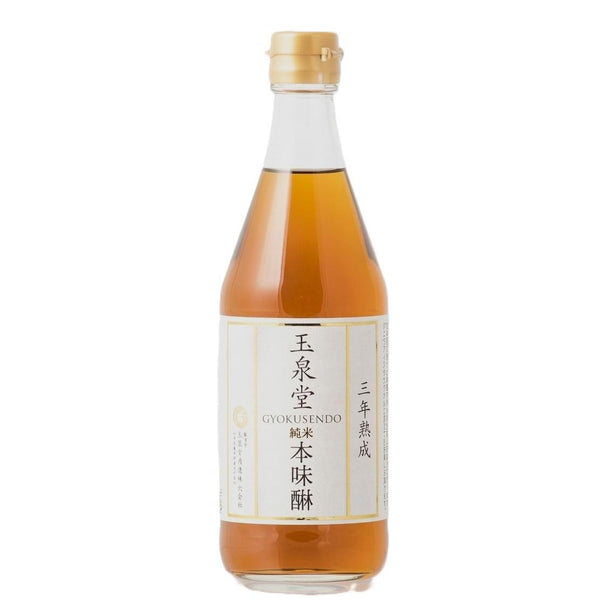
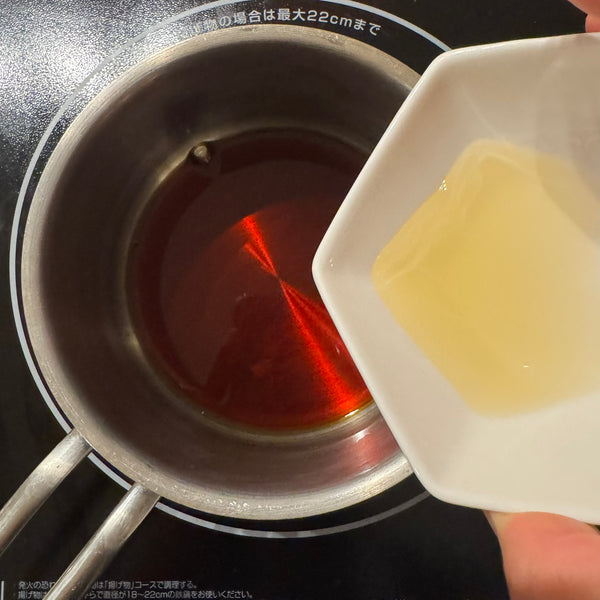
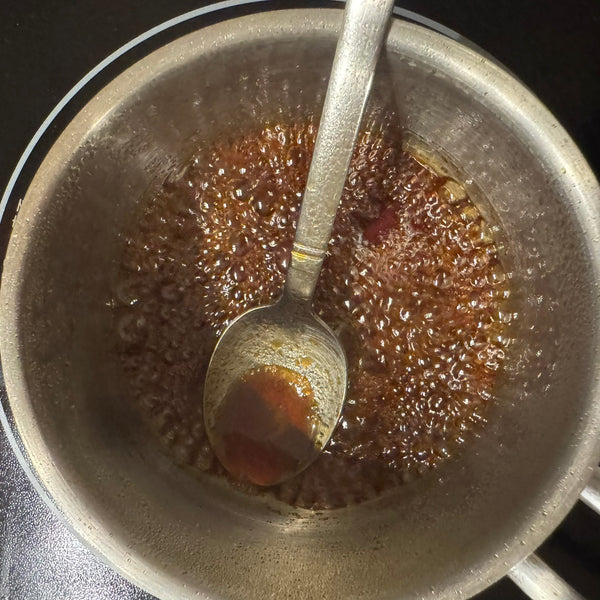
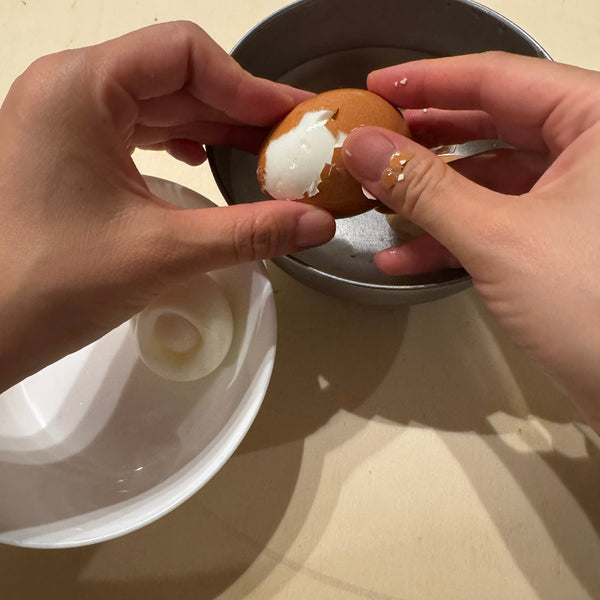
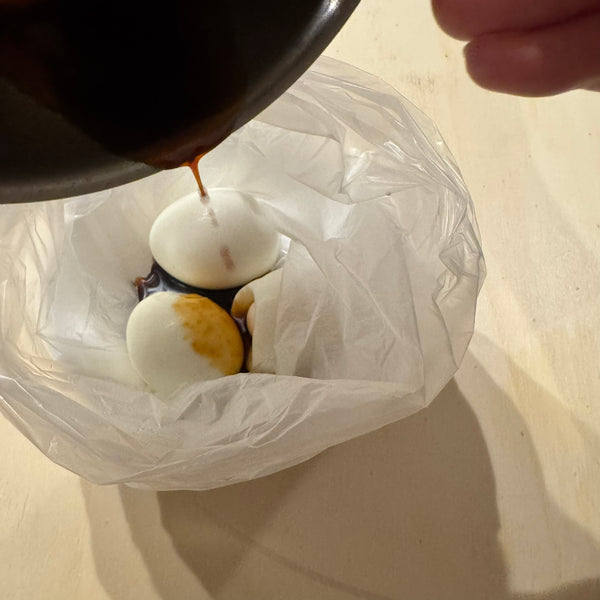
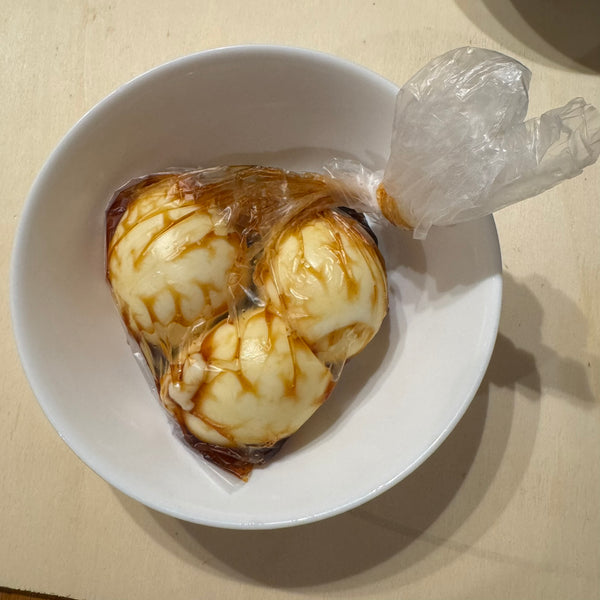
Marinated Eggs: Soft-boiled eggs are soaked overnight in soy sauce, sugar, mirin, and garlic, creating creamy yolks with a flavorful, savory-sweet exterior.
Tips to Know Before You Start
- Prepare the eggs ahead of time. Overnight marinating gives them much more flavor than a short marinade.
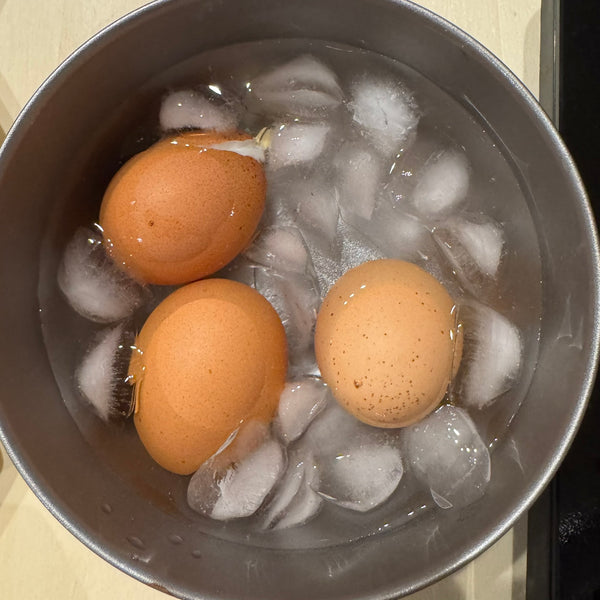
- Don't skip the ice bath. Immediately chilling the eggs stops them from cooking further and helps produce a creamy yolk.
- Taste before adding extra soy sauce. Chashu, menma, and the marinated eggs can already contribute saltiness.
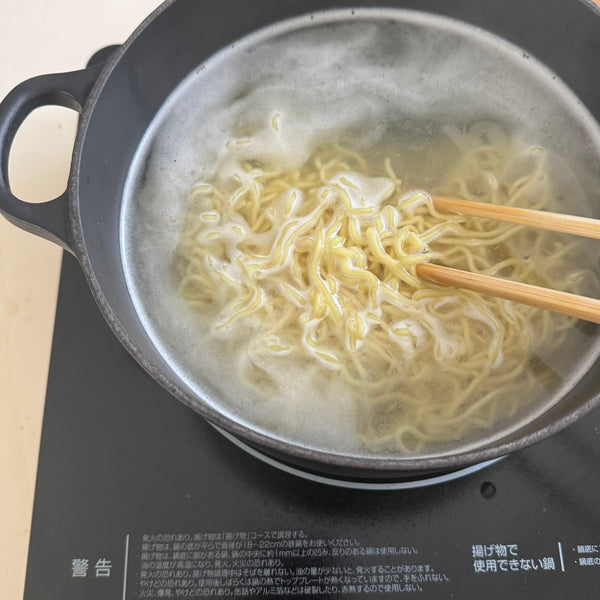
- Prepare toppings before cooking the noodles. Ramen noodles are best served immediately after cooking.
- Keep the noodles slightly firm. They continue to soften once placed in the hot broth.
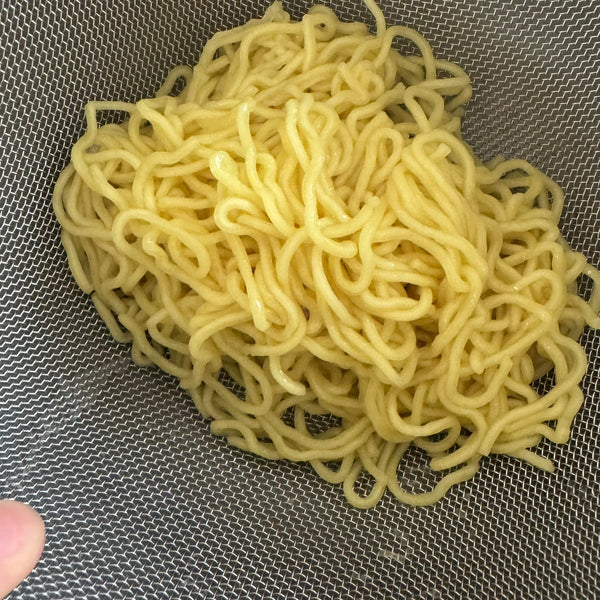
- Drain thoroughly. Excess cooking water can dilute the soup.
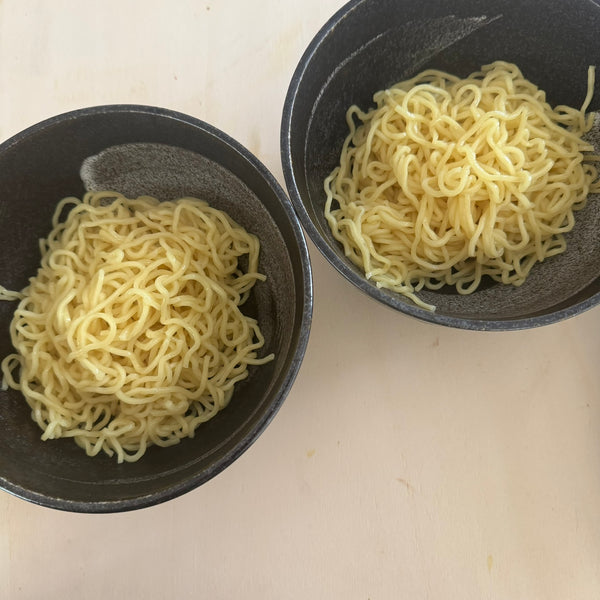
- Warm your ramen bowls before serving. Fill each bowl with hot water for a few minutes, then empty and dry them before adding the noodles and broth. This helps keep the ramen hot for longer and makes the final bowl even more enjoyable.
Variations & Serving Ideas
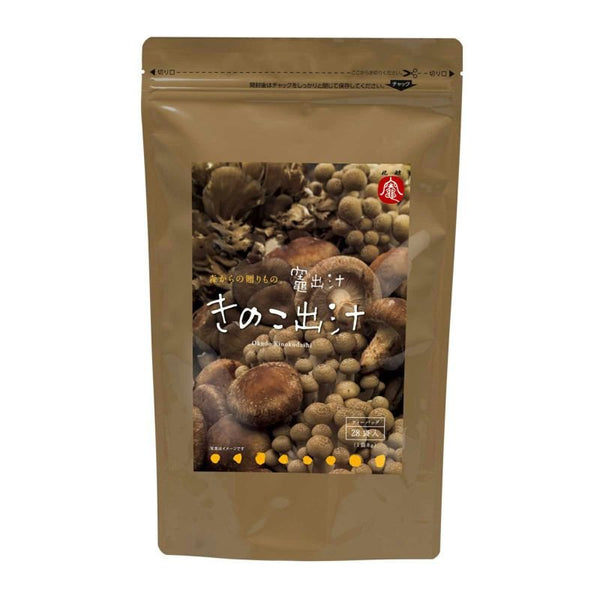
For a vegetarian version, use vegetable or mushroom broth and replace the chashu with tofu or sautéed mushrooms. You can also use mushrooms, spinach, or additional vegetables to add substance.
For spicy ramen, add chili oil, shichimi Japanese seven-flavor chili pepper, or chili flakes to the broth. A small amount of miso can also give the soup additional depth. For a stronger dashi character, incorporate dashi into the broth.
Serve the ramen with Japanese gyoza, edamame, karaage, or a simple cucumber salad. Additional toppings such as corn, bean sprouts, spinach, mushrooms, sesame seeds, bamboo shoots, and extra green onions can add color and texture.
If you love this recipe, you may also like:
- How to Make Ponyo Ramen (Studio Ghibli Food Recipe) - A fun anime-inspired ramen recipe featuring the comforting simplicity of Ponyo’s favorite meal.
- How to Make Tantanmen Ramen (Japanese Style Chinese Sichuan Noodle Recipe) - Try this rich and flavorful ramen for a spicy, savory twist on the classic noodle soup.
- How to Make Tomato Ramen (Japanese Noodle Soup Recipe) - A unique Japanese-style ramen featuring a bright tomato-based broth for a fresh change of pace.
使用說明
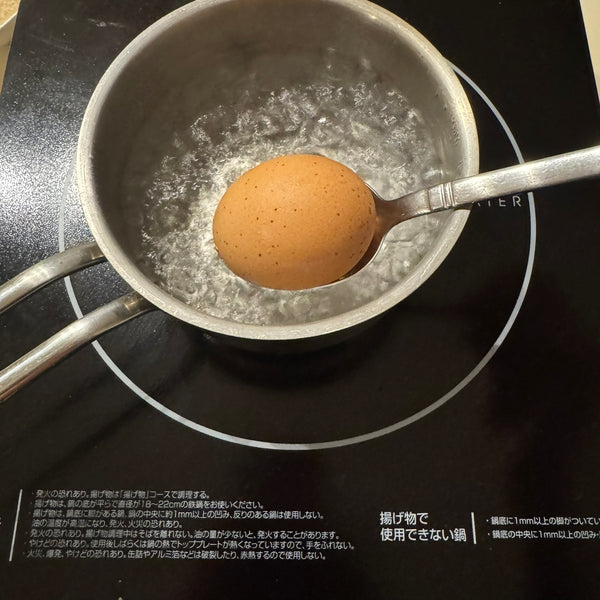
1) Prepare the Eggs the Night Before
2) Marinate the Eggs
Expert's Tip

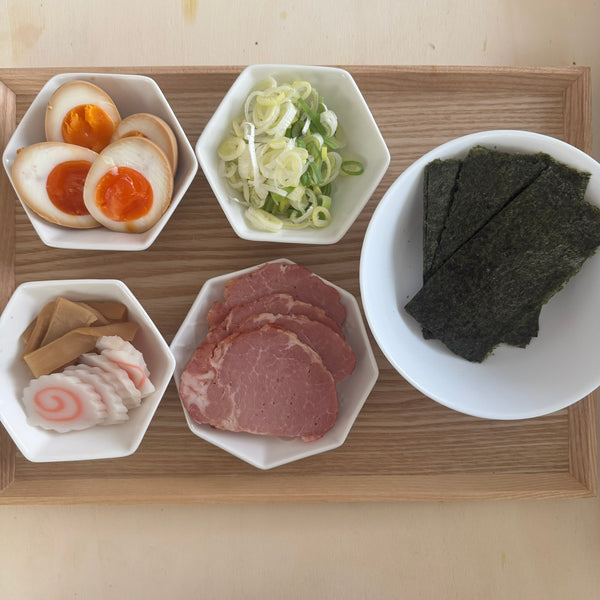
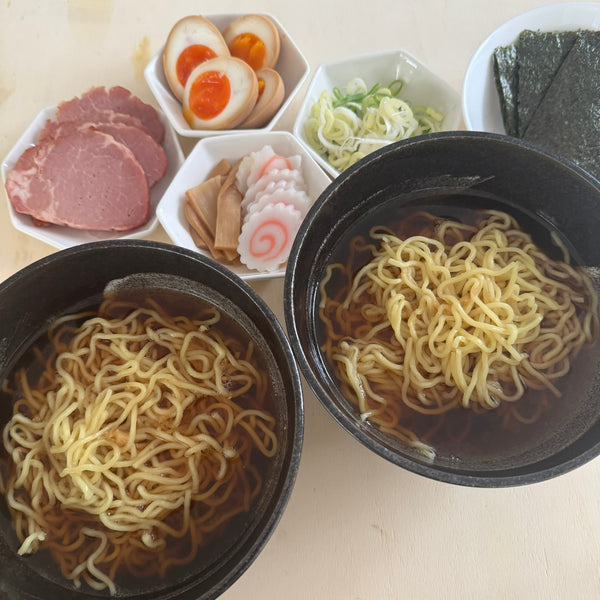
3) Prepare the Toppings
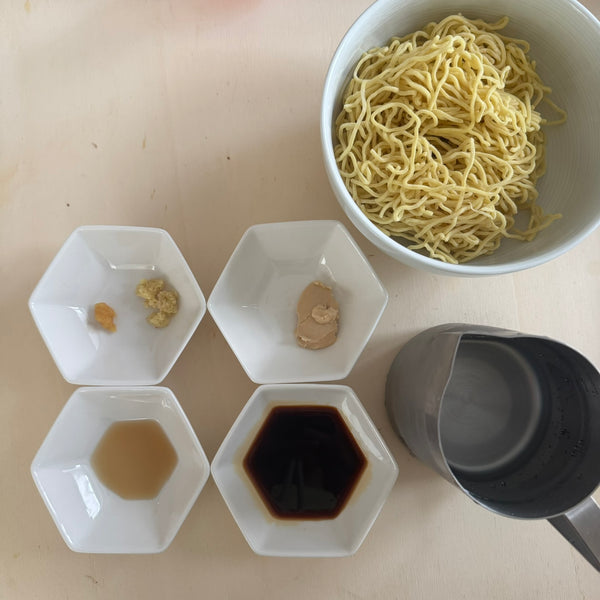
4) Make the Soup
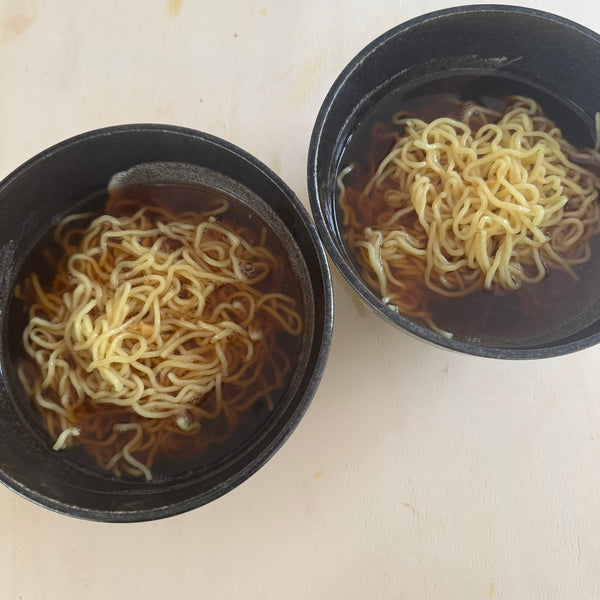
5) Cook the Ramen Noodles
6) Assemble the Ramen
7) Add the Toppings
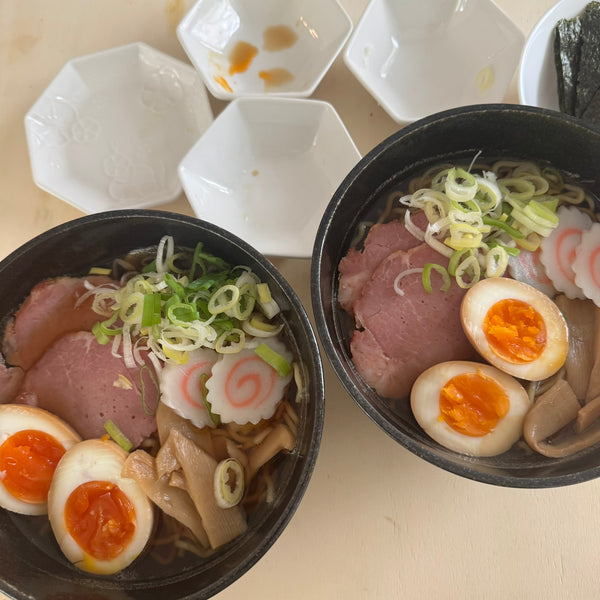
8) Serve & Enjoy!